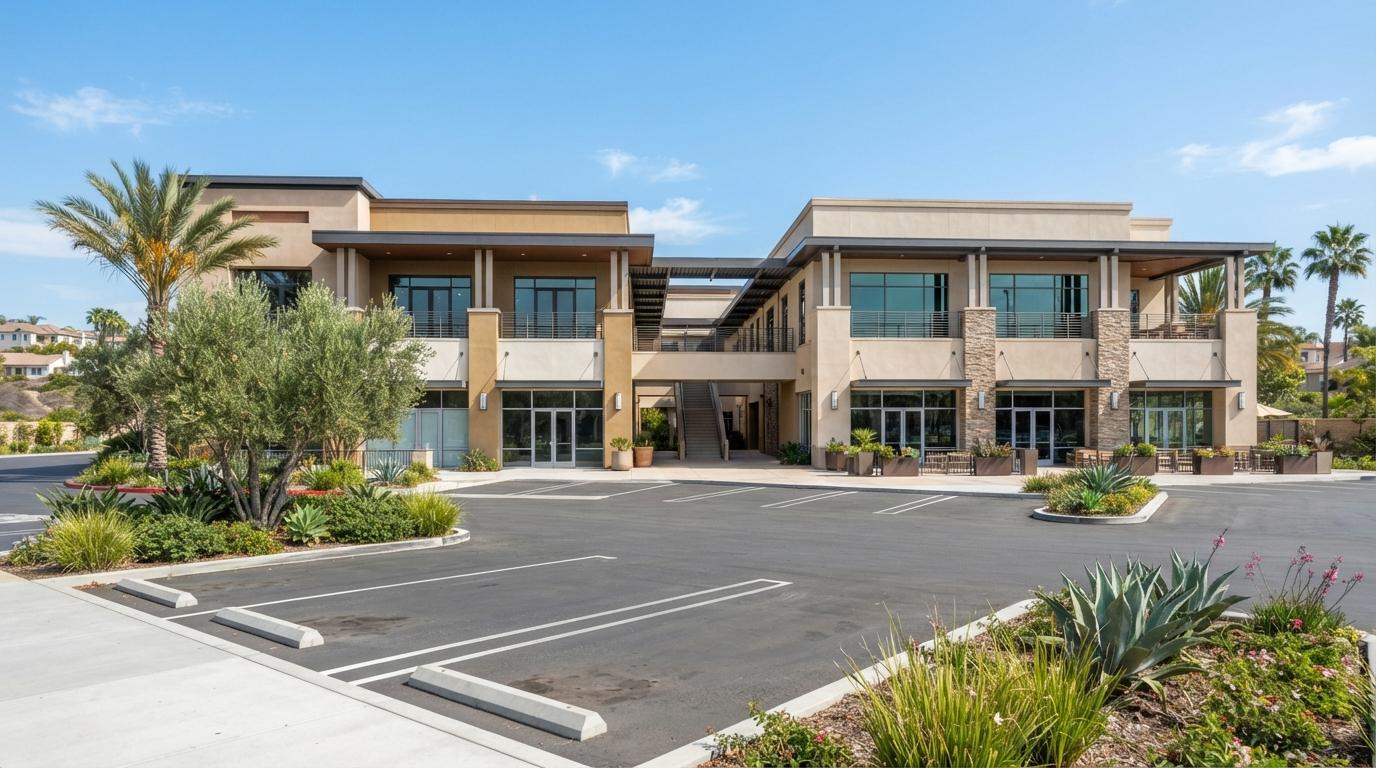
Commercial Real Estate Insights for Investors
By Thao DP Nguyen3 min read
Multi-family with five or more units, retail, office and NNN leases each follow different rules than a house. Here is what Orange County commercial investors should know.
Commercial real estate is valued on income rather than comparable home sales, and that changes how you analyze, finance and manage it. Whether you are a business owner considering your own building or an investor looking for steady returns, these fundamentals help you evaluate opportunities with clear eyes.
Why Five Units Is a Turning Point
In residential lending, one to four units generally qualify for standard home loans. A building with five or more units is usually treated as commercial, which means lenders underwrite the property's income more than the borrower's paycheck. Multi-family in Southern California appeals to many investors because housing demand is persistent and rents can adjust over time, subject to local and state rent rules. Always confirm which tenant protection laws apply to a specific property.
Understanding Cap Rate
The capitalization rate links income to value:
Cap rate = Net operating income / Purchase price
For example, a hypothetical building producing $120,000 in NOI and priced at $2,000,000 has a 6.0 percent cap rate (120,000 / 2,000,000). The same formula works backward: NOI divided by a target cap rate suggests a value. Small changes in NOI or cap rate move value significantly, so verify every income and expense line rather than trusting a seller's summary.
Property Types at a Glance
- Multi-family (5+ units): steady demand, but management intensity and local regulations matter.
- Retail: performance depends on tenant mix, visibility, parking and the strength of anchor tenants.
- Office: tenant needs have shifted with hybrid work, so lease terms and the building's appeal deserve careful scrutiny.
- Industrial and flex: often tied to logistics and small business demand.
- Mixed-use: combines categories, with more moving parts.
NNN Lease Structures
In a triple net (NNN) lease, the tenant pays base rent plus property taxes, insurance and maintenance (the three nets). This can reduce the owner's operating burden and make income more predictable. Other structures include modified gross and full-service gross leases, where the landlord covers more.
When reviewing a lease, look closely at:
- Lease term, renewal options and rent escalations.
- Which expenses are passed through and any caps on them.
- Tenant credit strength and any personal guarantees.
- Use clauses, assignment rights and early termination options.
An attorney experienced in commercial leasing should review the documents before you commit.
Due Diligence Checklist
Commercial deals reward thorough homework:
- Rent roll and trailing operating statements, verified against bank records
- Lease abstracts and tenant estoppel certificates
- Physical inspection, roof and systems review
- Environmental and zoning review
- Title and survey
- Property tax reassessment risk, since California reassesses commercial property on a change of ownership under Proposition 13 rules, and your tax advisor can explain how it applies
Financing Considerations
Commercial loans often come with shorter terms than 30-year residential mortgages, with payments calculated on longer amortization schedules and a balloon due at maturity. Lenders focus on debt service coverage and the property's performance. Terms vary by lender and market, so compare several options.
Align the Asset With Your Goals
Ask yourself whether you want income, appreciation, a place to operate your business or a mix. Consider your time, expertise and reserves. A well-chosen asset that fits your capacity usually beats a flashy deal that strains your resources.
Programs, limits and rules change, so confirm current details with your lender, tax advisor or attorney. This is general education, not legal, tax or financial advice.
Next Step
Get our free "Commercial Real Estate Primer" for a deeper walk-through of these concepts, and then View Commercial Inventory to see current opportunities we can discuss with you.
Thao DP Nguyen | Century Financial Group, Corp. | DRE #01499503 | Broker #01930905 | Global Estate Hub LLC
- #commercial real estate
- #multi-family
- #NNN lease
- #cap rate
- #Orange County
- #business owners
This article is general information, not legal, tax, or financial advice. Consult a qualified professional about your situation.

About the author
Thao DP Nguyen
California Real Estate Salesperson since 2005, serving Anaheim and Orange County buyers, sellers, and investors under responsible broker Century Financial Group, Corp. (DRE #01930905).
DRE #01499503: verify license(opens in a new tab)Want guidance for your own home and timeline?
A private consultation gives you clarity beyond a general market article.
View Commercial Inventory Thao's services