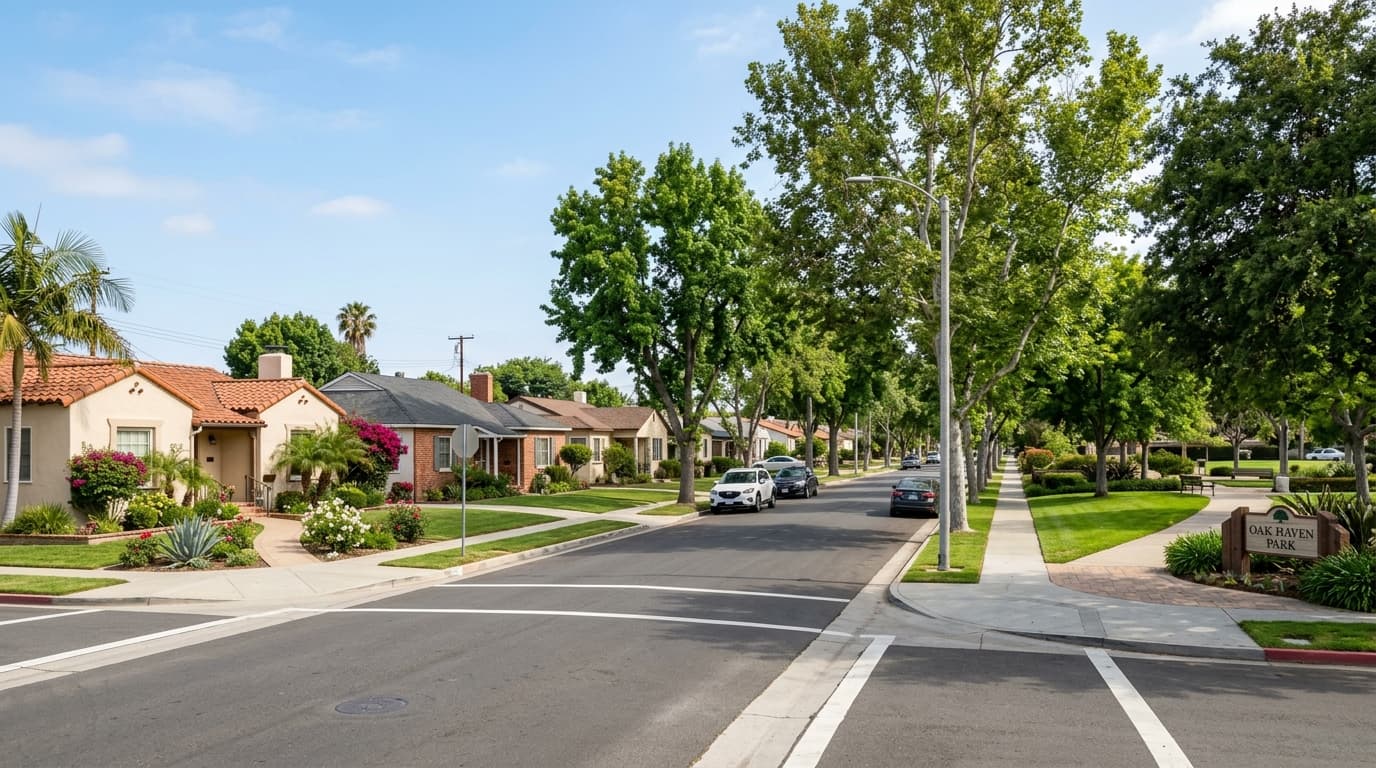
Choosing a neighborhood means weighing schools, safety, walkability and future development. Here is how Southern California families can research them with objective data.
A home is only part of the decision. The neighborhood shapes your daily routine, your commute, and your costs. When you read a neighborhood spotlight, look for facts you can verify rather than general impressions.
Here is a practical framework for researching areas across Orange County and Southern California.
Schools: Check the Data Yourself
Many families start with schools. Rather than relying on a single rating or a rumor, review official sources such as the California Department of Education and the district's own website. Look at:
- Which school serves a specific address, since boundaries can change.
- Enrollment trends and program offerings.
- Test and graduation data over several years.
- Distance, drop-off patterns, and transportation options.
Ratings on listing sites are one input only. Verify attendance boundaries directly with the district before making decisions, and visit schools if you can.
Safety Information From Official Sources
Use local police department data and public crime maps for objective information about reported incidents over time. Context matters, so compare similar time periods and look at trends instead of single events. Visit at different times of day to see how the area feels in practice. We do not characterize neighborhoods by who lives there; we encourage focusing on measurable factors.
Walkability and Daily Convenience
Think about the errands and activities you do every week:
- How far is the nearest grocery store, pharmacy, or park?
- Are sidewalks and bike lanes present and well maintained?
- Is public transit nearby, and how often does it run?
- How long is the drive to work during peak hours?
Test your commute by driving it on a weekday. A route that looks short on a map can feel very different at rush hour.
Future Development and Zoning
Planned projects can change a neighborhood's traffic, noise, and amenities. City planning departments publish agendas, zoning maps, and proposed developments. Review them for:
- New housing, retail, or commercial projects.
- Road, transit, or infrastructure changes.
- Park and public space improvements.
Development can bring both conveniences and tradeoffs, so decide what matters most to you.
Ongoing Costs
Compare the practical costs of living in each area: property tax rates and special assessments, such as Mello-Roos, HOA dues, insurance costs, and utilities. Two homes at the same price can have different monthly costs depending on these factors.
Visit More Than Once
Walk the area on a weekday morning, an evening, and a weekend. Notice parking, noise, lighting, and the condition of public spaces. Talk to your agent about what you observe and what you need to verify.
Put It Into a Simple Scorecard
To keep emotions in check, rate each neighborhood on the same factors. Use a basic 1 to 5 scale for items such as commute, daily convenience, park access, school data you verified, ongoing costs, and future development. Weight the categories that matter most to you, then compare totals.
A scorecard will not make the decision for you, but it helps you notice patterns and ask better questions. Share it with your agent so we can focus your search on areas that fit your priorities. Revisit the scorecard after each visit, since your first impressions and your second look often differ in useful ways.
Next Step
To compare areas side by side, download our free Orange County Neighborhood Comparison, which organizes commute, amenities, and data sources into one simple view. Then click Request Neighborhood Guide and we will share guidance tailored to your priorities, always focused on objective, verifiable factors.
Thao DP Nguyen | Century Financial Group, Corp. | DRE #01499503 | Broker #01930905 | Global Estate Hub LLC
- #neighborhoods
- #Orange County
- #school data
- #walkability
- #relocating families
This article is general information, not legal, tax, or financial advice. Consult a qualified professional about your situation.

About the author
Thao DP Nguyen
California Real Estate Salesperson since 2005, serving Anaheim and Orange County buyers, sellers, and investors under responsible broker Century Financial Group, Corp. (DRE #01930905).
DRE #01499503: verify license(opens in a new tab)Want guidance for your own home and timeline?
A private consultation gives you clarity beyond a general market article.
Request Neighborhood Guide Thao's services